Showing posts with label cats clinic. Show all posts

Friday, October 18, 2024

Cat Care Tips | CGS Hospital

 Cat Care Tips: Essential Guidelines for Every Cat Owner


Cats are beloved companions that bring joy, comfort, and companionship into the lives of millions. As a responsible cat owner, it is essential to provide your feline friend with the best care possible to ensure their well-being, health, and happiness. Whether you are a first-time cat owner or have had cats for years, CGS Hospital it's always beneficial to review essential cat care tips. In this comprehensive guide, we’ll cover the key aspects of cat care, addressing their nutrition, grooming, health, emotional well-being, and environmental needs. These tips are especially useful during seasonal transitions when the needs of your pet may change due to varying weather conditions.

1. Proper Nutrition: Feeding Your Cat the Right Way

Feeding your cat a balanced, nutritious diet is one of the most critical aspects of pet care. Cats are obligate carnivores, which means their bodies are designed to thrive on a diet primarily made up of animal proteins.

Tips for Cat Nutrition:

  • High-Quality Protein: Look for cat food with meat as the first ingredient. Chicken, turkey, fish, or lamb are excellent protein sources.
  • Avoid Carbohydrate-Heavy Foods: Cats don’t require grains or vegetables in large quantities, so minimize carbohydrate-rich foods.
  • Hydration is Key: Cats are not naturally inclined to drink a lot of water, so wet cat food can help keep them hydrated.
  • Control Portions: Obesity is a common issue in domestic cats. Ensure you provide the correct portion size according to their weight and age.
  • Seasonal Adjustments: In colder months, cats may require more calories to maintain body heat, while in summer, their appetite may naturally decrease.

2. Hydration: Encouraging Water Intake

While cats typically derive moisture from their food, keeping them hydrated is essential, particularly during hot weather or if your cat eats mostly dry food.

Hydration Tips:

  • Fresh Water: Always ensure your cat has access to fresh, clean water. Change it frequently to encourage drinking.
  • Fountains: Cats are often more interested in flowing water, so investing in a cat fountain can stimulate their hydration.
  • Wet Food: Incorporating wet food into your cat’s diet is an easy way to increase their water intake.

3. Grooming: Keeping Your Cat Clean and Comfortable

Cats are fastidious groomers, but they still need help from their owners, especially with long-haired breeds that are prone to matting.

Grooming Tips:

  • Regular Brushing: Brushing helps remove loose fur and reduce hairballs, particularly during shedding seasons (spring and fall).
  • Bathing: While most cats do not require frequent baths, those with skin conditions or who are unable to groom themselves may need occasional bathing.
  • Nail Trimming: Regularly check and trim your cat's nails to prevent overgrowth and potential injuries.
  • Ear and Eye Cleaning: Keep an eye on their ears for wax buildup or infections and gently clean their eyes if discharge appears.

4. Litter Box Maintenance: A Clean Environment is a Happy Cat

Maintaining a clean litter box is essential for your cat’s health and happiness. A dirty litter box can lead to stress, accidents, and even urinary tract infections.

Litter Box Tips:

  • Daily Scooping: Scoop the litter box at least once a day to maintain cleanliness and reduce odors.
  • Complete Change: Depending on the type of litter, replace it entirely and wash the box weekly or bi-weekly.
  • Location Matters: Place the litter box in a quiet, private area where your cat feels comfortable.
  • Multiple Boxes: If you have more than one cat, the general rule is to have one more box than the number of cats you own (i.e., two cats = three boxes).

5. Physical Activity: Keep Your Cat Active

Exercise is vital for maintaining your cat’s physical and mental well-being. Indoor cats, in particular, need stimulation to prevent boredom and obesity.

Exercise Tips:

  • Interactive Toys: Use feather wands, laser pointers, and balls to encourage play and simulate hunting.
  • Climbing Structures: Cats love to climb. Invest in a cat tree or shelves to give them a vertical space to explore.
  • Scheduled Playtime: Dedicate at least 15–20 minutes a day to active play sessions with your cat.

6. Mental Stimulation: Keeping Your Cat’s Mind Sharp

Mental stimulation is just as important as physical exercise. Without it, cats can become bored, anxious, or even destructive.


Mental Stimulation Tips:

  • Puzzle Feeders: These devices make your cat work for their food, providing both a mental and physical challenge.
  • Hide and Seek: Hide treats around the house to encourage your cat to use their natural hunting instincts.
  • Window Views: Provide a perch by a window where your cat can watch birds or outdoor activities.

7. Regular Vet Visits: Preventive Health Care is Crucial

Routine veterinary care is essential for catching potential health issues early and keeping your cat healthy.

Vet Care Tips:

  • Annual Check-Ups: Even if your cat seems healthy, yearly check-ups can help detect issues like dental problems, parasites, or chronic conditions.
  • Vaccinations: Keep your cat's vaccinations up-to-date, including rabies, feline distemper, and others as recommended by your vet.
  • Parasite Prevention: Use flea, tick, and worm preventatives, especially if your cat goes outside.

8. Seasonal Care Tips: Adapting to Changing Weather

Different seasons come with their own challenges for cat care. Here's how to keep your pet safe and comfortable throughout the year.

Winter Care Tips:

  • Warm Sleeping Areas: Ensure your cat has a warm, cozy bed away from drafts. Heated pet beds are also a great option.
  • Increase Calories: Cats may burn more calories in winter to stay warm, so adjust their food intake if necessary.
  • Check for Frostbite: If your cat spends time outdoors, check their ears, paws, and tail for signs of frostbite.

Summer Care Tips:

  • Avoid Overheating: Cats are prone to heatstroke, especially long-haired breeds. Make sure they have access to cool, shaded areas.
  • Grooming: Regular grooming can help prevent matting and overheating in warmer weather.
  • Water Availability: Provide multiple water sources throughout the house to encourage hydration.

Spring and Fall Care Tips:

  • Allergies: Some cats experience seasonal allergies. Watch for signs like sneezing, itching, or watery eyes.
  • Shedding Season: Cats tend to shed more during spring and fall, so increase brushing sessions to manage loose hair.

9. Creating a Safe Environment: Make Your Home Cat-Friendly

Your home should be a safe haven for your cat, free from hazards and equipped with everything they need to feel comfortable.


Safety Tips:

  • Toxic Plants: Avoid keeping plants like lilies, poinsettias, and aloe vera, which are toxic to cats.
  • Secure Windows and Balconies: Cats love to explore but may fall from high places. Install window screens and secure balcony railings.
  • Cat-Proofing: Ensure that small objects, strings, or electrical cords are out of reach to prevent accidents.

10. Emotional Well-Being: Building a Strong Bond with Your Cat

Cats may appear independent, but they thrive on companionship and affection. Building a strong bond with your cat is crucial for their emotional well-being.

Emotional Well-Being Tips:

  • Spend Quality Time: Dedicate time to cuddle, play, or just sit with your cat to reinforce your bond.
  • Positive Reinforcement: Reward good behavior with treats, praise, or affection.
  • Respect Their Space: Cats enjoy affection, but they also need time alone. Ensure they have a quiet space to retreat when they want to be by themselves.

CGS Hospital

A Unit Of CGS Charitable Trust

Address

 S-25/6, Site No. 2204, DLF Phase- 3, Gurgaon, Haryana. (https://maps.app.goo.gl/kjH177ekyiBvF1QHA)

Working Hours

Mon-Sun : 8am - 7pm
Emergency :  7pm - 8am


Friday, August 23, 2024

Pancreatitis in Cats | CGS Hospital

 Pancreatitis in Cats: Signs, Causes, Diagnosis, Treatment, and Outcome

Pancreatitis, an inflammation of the pancreas, is a condition that can significantly impact a cat’s health. The pancreas is a vital organ responsible for producing digestive enzymes and hormones like insulin. When it becomes inflamed, it can disrupt these functions, leading to a range of health issues. This blog explores the signs, causes, diagnosis, treatment, and outcomes of pancreatitis in cats, providing CGS Hospital essential information for pet owners and caretakers.


Signs of Pancreatitis in Cats

Recognizing pancreatitis in cats can be challenging, as its symptoms often overlap with those of other conditions. However, some common signs to watch for include:

  • Vomiting: Cats with pancreatitis often experience repeated vomiting, which can be severe and persistent.
  • Loss of Appetite: A sudden decrease in appetite or refusal to eat can be a significant indicator of pancreatitis.
  • Abdominal Pain: Cats may show signs of discomfort, such as restlessness or sensitivity when their abdomen is touched.
  • Diarrhea: Some cats may develop diarrhea, which can be accompanied by a change in stool consistency or color.
  • Lethargy: A noticeable decrease in energy levels or general lethargy can indicate that your cat is not feeling well.
  • Dehydration: Cats with pancreatitis may become dehydrated, which can be identified by dry gums and a sunken appearance.

Causes of Pancreatitis in Cats

The exact cause of pancreatitis in cats can be complex and multifactorial. Some potential causes and contributing factors include:

  • Dietary Indiscretion: Consuming inappropriate or high-fat foods, such as table scraps or spoiled food, can trigger pancreatitis.
  • Obesity: Overweight cats are more susceptible to pancreatitis due to the added stress on their digestive systems.
  • Underlying Health Conditions: Conditions such as diabetes or liver disease can predispose cats to pancreatitis.
  • Medications: Certain medications, particularly those with known gastrointestinal side effects, can contribute to inflammation of the pancreas.
  • Infections and Toxins: Bacterial infections or exposure to toxins can also lead to pancreatitis.
  • Genetics: Some breeds may have a genetic predisposition to developing pancreatitis.

Diagnosis of Pancreatitis in Cats

Diagnosing pancreatitis in cats requires a comprehensive approach, including a combination of clinical signs, medical history, and diagnostic tests. The process typically involves:

  • Veterinary Examination: The veterinarian will conduct a thorough physical examination, assessing symptoms like abdominal pain and general health.
  • Blood Tests: Blood work can help identify elevated levels of pancreatic enzymes, such as amylase and lipase, which are indicative of pancreatitis.
  • Ultrasound or X-rays: Imaging techniques can be used to visualize the pancreas and identify any inflammation or abnormalities.
  • Biopsy: In some cases, a biopsy may be necessary to confirm the diagnosis and rule out other conditions.

Treatment of Pancreatitis in Cats

The treatment of pancreatitis in cats aims to alleviate symptoms, address the underlying cause, and support recovery. Common treatment strategies include:

  • Fasting: Initially, the veterinarian may recommend withholding food and water for a short period to allow the pancreas to rest and heal.
  • Hydration: Providing fluids, either orally or intravenously, is crucial to prevent dehydration and support overall health.
  • Pain Management: Medications may be prescribed to manage pain and discomfort associated with pancreatitis.
  • Nutritional Support: Once the cat can tolerate food, a specially formulated, easily digestible diet may be introduced to prevent further irritation.
  • Medications: Depending on the cause, medications such as antibiotics (for infections) or anti-nausea drugs may be used.
  • Management of Underlying Conditions: Treating any concurrent health issues, such as diabetes, is essential for overall recovery.

Outcome and Prognosis

The prognosis for cats with pancreatitis varies depending on the severity of the condition and the effectiveness of the treatment. Some key factors influencing the outcome include:

  • Early Detection: Cats diagnosed early and treated promptly tend to have a better prognosis.
  • Severity of Inflammation: Mild cases of pancreatitis may resolve with appropriate treatment, while severe cases may require extended care.
  • Underlying Health: Cats with other health issues may face a more challenging recovery process.

With proper management and veterinary care, many cats recover from pancreatitis and return to their normal activities. However, ongoing monitoring and preventive measures, such as dietary management and regular vet check-ups, are essential to reduce the risk of recurrence.

Preventive Measures

Preventing pancreatitis involves adopting measures to minimize risk factors and promote overall health. Some recommendations include:

  • Feeding a Balanced Diet: Provide a high-quality, balanced diet specifically formulated for cats to avoid dietary indiscretions and high-fat foods.
  • Maintaining a Healthy Weight: Regular exercise and a balanced diet can help prevent obesity, which is a risk factor for pancreatitis.
  • Avoiding Table Scraps: Refrain from feeding cats human food or table scraps that may be harmful or high in fat.
  • Regular Vet Check-Ups: Schedule routine veterinary visits to monitor your cat’s health and address any emerging issues.

CGS Hospital

A Unit Of CGS Charitable Trust

Address

 S-25/6, Site No. 2204, DLF Phase- 3, Gurgaon, Haryana. (https://maps.app.goo.gl/kjH177ekyiBvF1QHA)

Working Hours

Mon-Sun : 8am - 7pm
Emergency :  7pm - 8am

Friday, September 22, 2023

CGS Hospital Gurgaon

 CGS Hospital Gurgaon: Your Trusted Companion for Pet Healthcare


Welcome to CGS Hospital, your premier destination for comprehensive pet healthcare services in Gurgaon. At CGS Hospital, we understand the special place that pets hold in your heart, and we are committed to providing them with the highest quality care and attention they deserve. With a team of experienced veterinarians and a wide range of services, we ensure that your furry friends receive the best possible treatment and support.


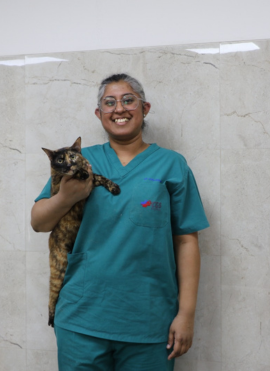
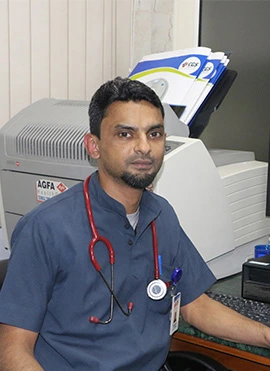
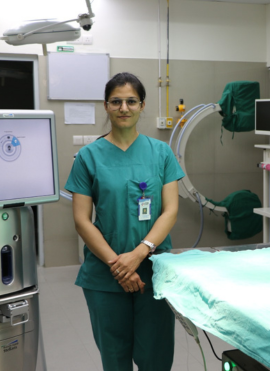
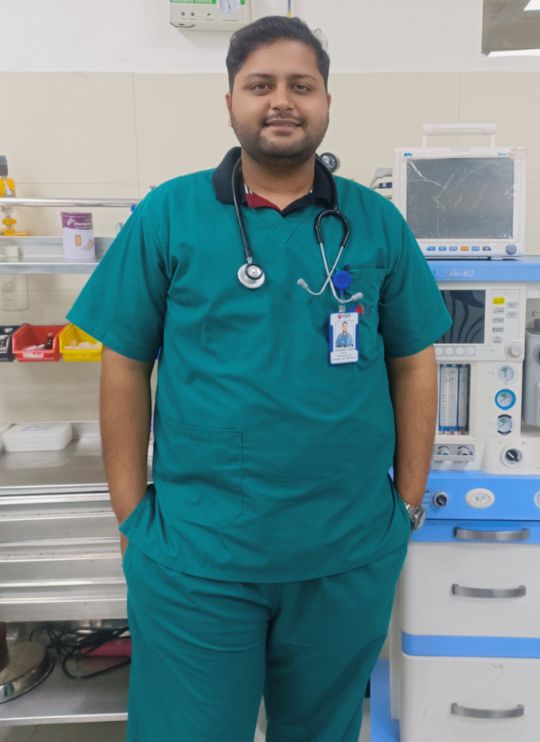
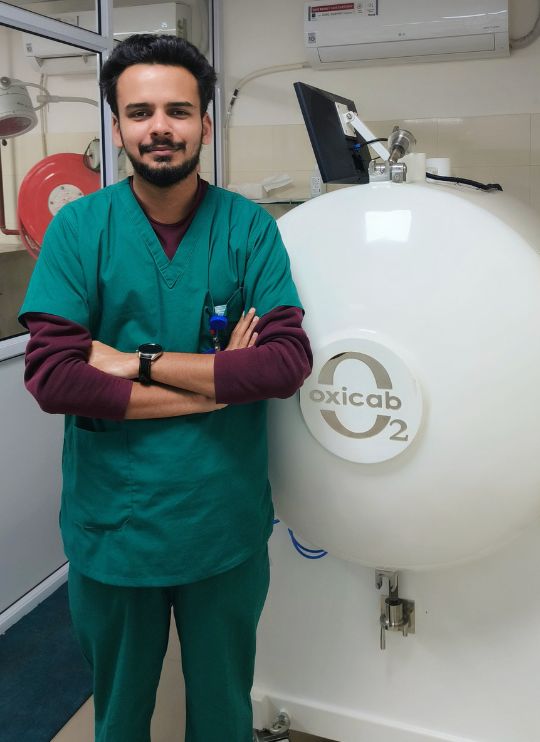
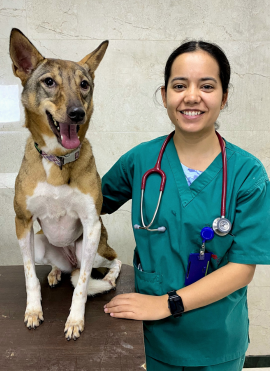
*Meet Our Dedicated Team of Veterinarians*

Our team of highly skilled and compassionate veterinarians is here to address all your pet's healthcare needs. With years of experience and a deep love for animals, our doctors are dedicated to ensuring the well-being of your beloved pets. Here are some of the prominent members of our team:


1. *Dr. Vikash Singh Chauhan*

2. *Dr. Salisha Whitney Correia*

3. *Dr. John Dominic*

4. *Dr. Nitin Kandpal*

5. *Dr. Samprikta Singh*

6. *Dr. Chandni Bahuguna*

7. *Dr. Sandeep P. Soman*

8. *Dr. Shantishree Das*

9. *Dr. Abhishek Thakran*

10. *Dr. Sarthak*

11. *Dr. Abhishek Saini*

12. *Dr. Mony Bora*


Doctors


Our diverse team ensures that we can cater to a wide range of pet healthcare needs, from routine check-ups to specialized treatments.

*Comprehensive Pet Healthcare Services*

At CGS Hospital, we offer a wide array of services to ensure the health and well-being of your pets. Here's a glimpse of what we provide:

*Outdoor Patient Department (OPD)*

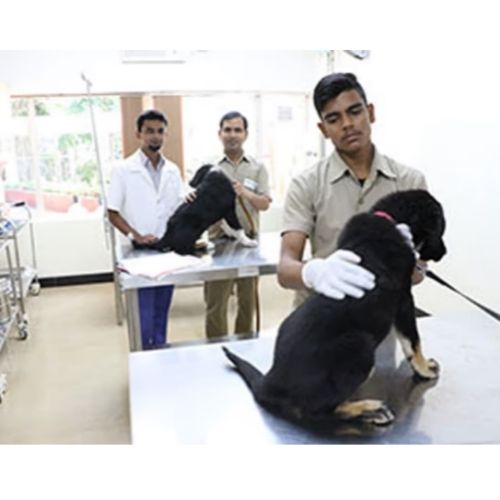
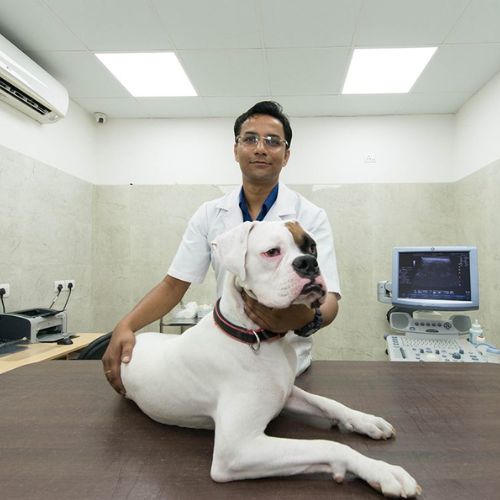
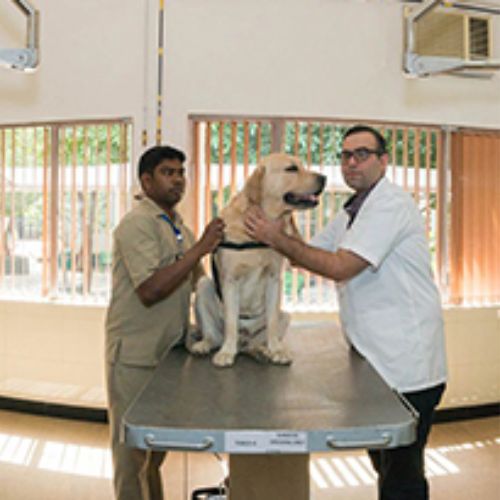
We have dedicated OPDs for dogs and a separate one for cats. Our experienced veterinarians are available to diagnose and treat various health conditions, ensuring your pets receive the best care.

*In-Patient Department (IPD)*

For more critical cases, our IPD is equipped to provide round-the-clock care and monitoring, ensuring your pet receives the attention they need.

*Post-Operative Ward*

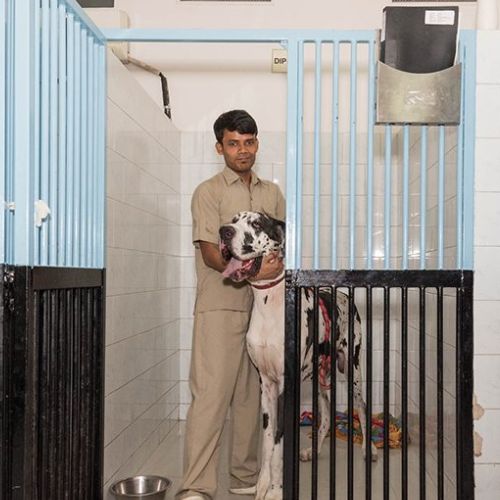
After surgeries, we provide specialized care in separate kennels to promote a speedy and comfortable recovery.

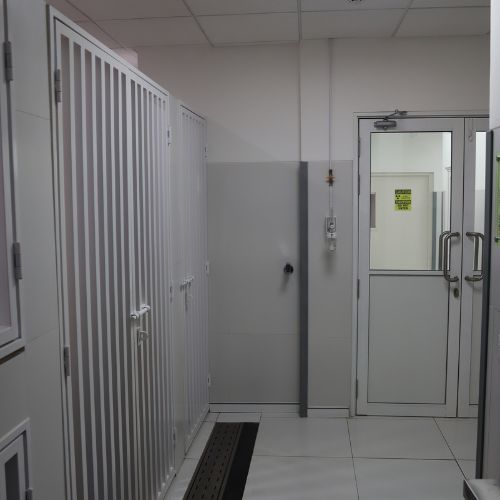
*Infectious Ward*

We maintain a separate ward for treating infectious diseases, minimizing the risk of spreading illnesses and ensuring prompt treatment.

*Emergency Services*

Our highly qualified team is available 24/7 to handle pet emergencies, offering immediate medical attention when needed.

*Grooming Services*

We offer grooming services like shampooing and hair care to keep your pets looking and feeling their best.

*Holiday Boarding Kennels*

Planning a trip? Trust our boarding kennels, but remember to ensure your pet's health with kennel cough vaccination.

*Physiotherapy*

Our specialized physiotherapy treatments aid in your pet's recovery and promote lasting results.

*Ultrasound Services*

We offer pet ultrasound services to assist veterinarians in diagnosing and treating various conditions.

*In-house Pharmacy*

Our in-house pharmacy ensures that you have easy access to the medications and supplies your pet may require.

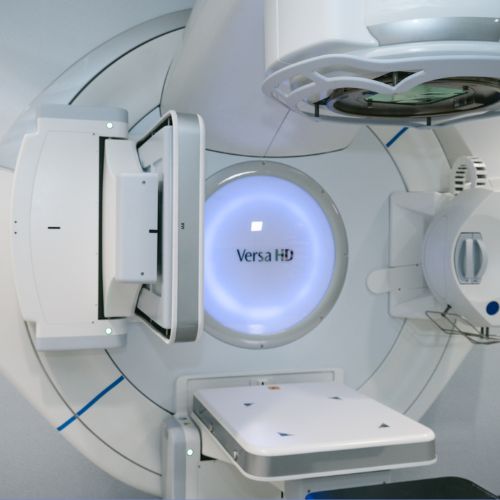
*Chemotherapy*

We provide specialized pet chemotherapy treatments for pets battling cancer.

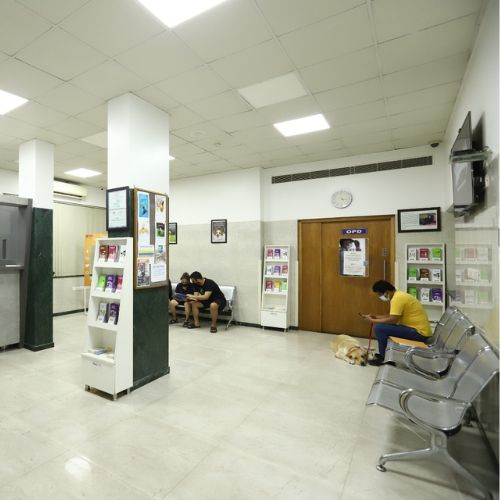
*Large Waiting Area and Reception*

Our spacious, pet-friendly waiting area and reception provide a comfortable and welcoming experience for both you and your pet.

*In-house Dedicated Laboratory*

CGS Hospital is proud to have an in-house dedicated laboratory, facilitating quick and accurate diagnostic services.

*Pet Accessories and Supplies*

We stock a variety of pet accessories and supplies to help you care for your furry friend's needs.

*Air-Conditioned Day Care Boarding*

Our air-conditioned day care boarding ensures your pet's safety, comfort, and well-being.

*Computed Radiography*

Pet CR at CGS Hospital offers fast and accurate imaging for precise diagnosis and treatment planning.


Services

CGS Hospital


At CGS Hospital, we are dedicated to promoting the health and happiness of your pets. Our state-of-the-art facilities, experienced team of veterinarians, and comprehensive range of services make us your trusted companion for all your pet's healthcare needs. We understand that your pets are more than just animals; they are beloved members of your family, and we treat them as such.

Experience the difference at CGS Hospital in Gurgaon, where your pet's well-being is our top priority. Contact us today to schedule an appointment or learn more about our services. Your pets deserve the best, and at CGS Hospital, they get it.


Contact Us

CGS Hospital

A Unit Of CGS Charitable Trust

Address

 S - 25, Site No. 2204, DLF Phase- 3, Gurgaon, Haryana.

Working Hours

Mon-Sun : 8am - 7pm
Emergency :  7pm - 8am

CGS Veterinary Care

A Unit Of CGS Charitable Trust

Address

 GF 3,4,5, DLF South Square Mall, Sarojini Nagar.

Working Hours

Mon-Sun : 8am - 8pm


Contact Us


Veterinary Care Center in Gurgaon | CGS Hospital

  Veterinary Care Center in Gurgaon: A Guide to Complete Pet Healthcare Good pet care goes beyond providing nutritious food, regular walks, ...